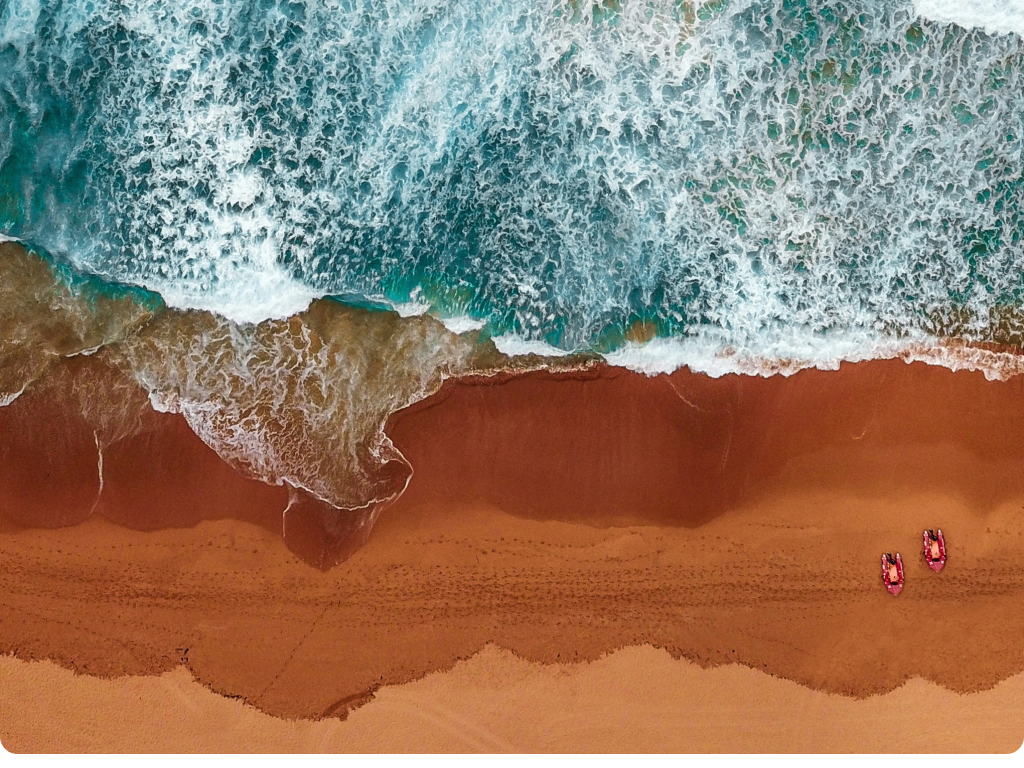
Northern Australia has a way of engaging the senses almost immediately. The colours feel stronger, the light sharper, and the sounds of the landscape seem to carry across the wide open spaces. There is movement in all the sights.
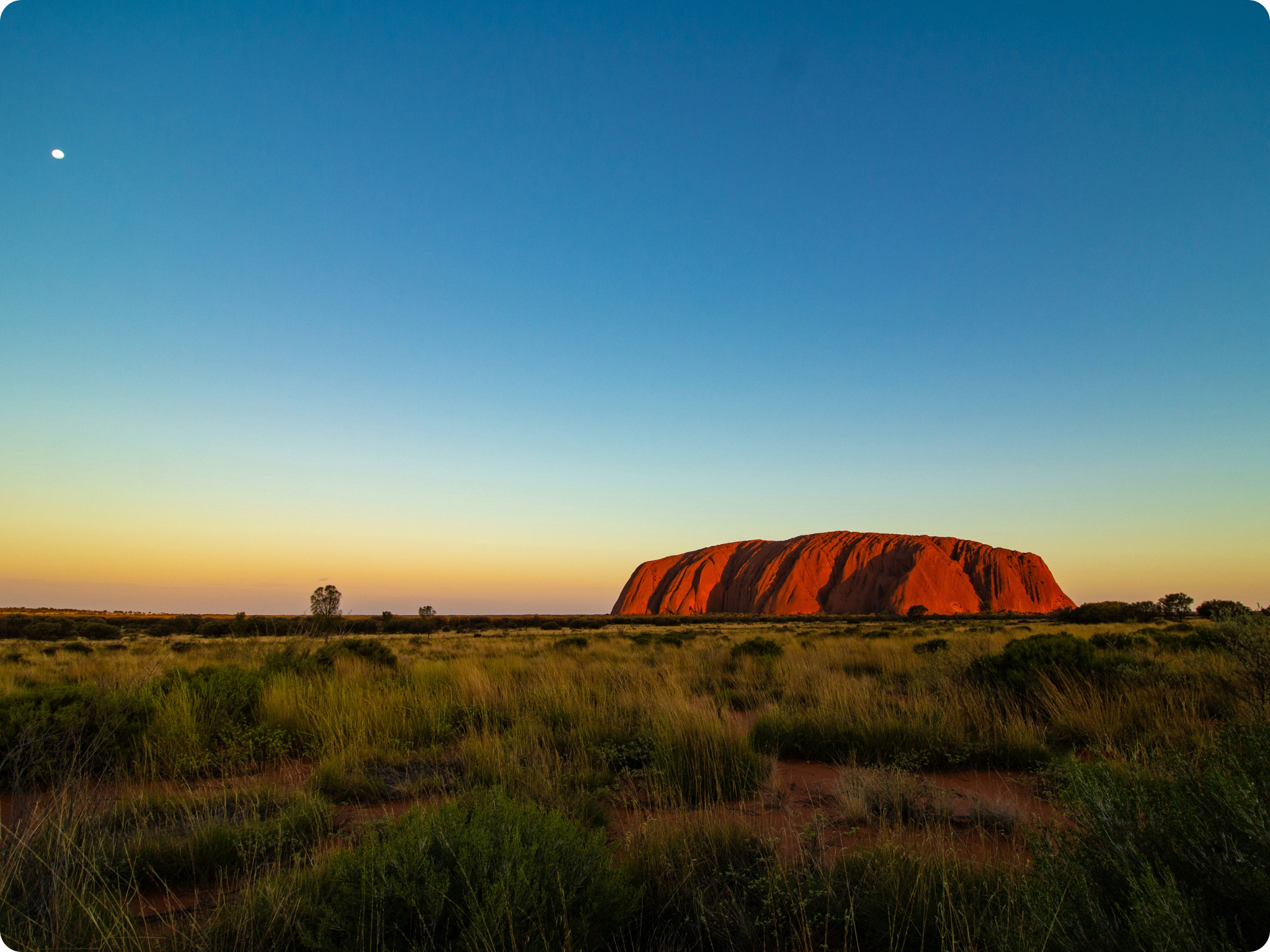
The journey begins in the red centre at Uluru, where the land is defined by deep ochres and vast skies. At sunrise the rock slowly shifts through shades of rust, copper and gold as the desert warms. The air is quiet except for the occasional bird call and the soft movement of wind across the spinifex. It is a place where the scale of the landscape becomes so real you can feel it.
From here the journey moves north through the heart of the Northern Territory. The colours begin to change as the desert gives way to rugged ranges, river systems and pockets of surprising greenery. In places like the West MacDonnell Ranges the cliffs glow red in the late afternoon light, while waterholes lie cool and still beneath them. Further north the country becomes more tropical, with towering escarpments, wetlands and waterways that support an astonishing amount of wildlife.
The sounds of the north are part of the experience too. On river cruises the gentle thrum of the boat moves through quiet waterways while birdlife calls from the banks. In Kakadu and the Top End wetlands the air is alive with the chatter of magpie geese, the splash of fish and the occasional sudden movement of a crocodile sliding into the water. In the evenings there is often a warm stillness, broken only by insects and distant bird calls as the sun drops below the horizon. The sounds add a dimension uniquely Australian.
What makes this part of Australia so memorable is the contrast. The stark beauty of the outback slowly gives way to lush river systems and tropical coastlines. Waterfalls spill over high escarpments, pandanus trees line the rivers, and the colours shift from deep desert reds to greens, blues and the shimmering silver of wetlands.
Along the way there are also the towns that help tell the story of the north. Alice Springs sits quietly in the desert landscape, while Darwin feels open, relaxed and shaped by the sea. Further west, Broome offers its own distinct atmosphere, where the red earth meets the bright turquoise of the Indian Ocean.

Travelling through this region is less about ticking off famous sights and more about experiencing a landscape that feels both immense and deeply alive. Here at Maher we think the soaking in the colours, the sounds and the shifting character of the country are what makes Australia profoundly special. We invite you to come listen with us.
Want us to contact you?
Highlights Reel